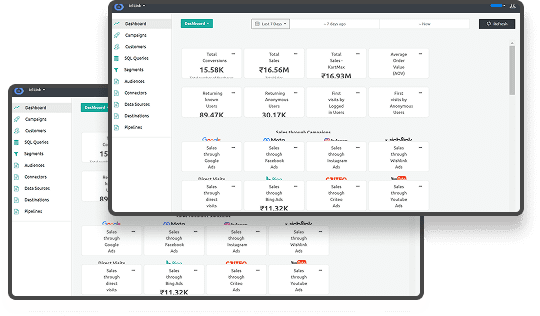





Your customers leave a trail of data with every click, view, and purchase. Yet most businesses struggle to make sense of it, leading to wasted ad spend, lost sales, and fragmented marketing efforts.
Customer data management helps you turn scattered information into a single source of truth. By organizing, unifying, and maintaining compliance with GDPR and CCPA, you can target the right customers, deliver personalized experiences, and make smarter business decisions.
In this guide, we will break down what customer data management is, why it matters, and how implementing it strategically can improve conversions, retention, and customer trust.
Quick Overview
- Customer Data Management: A strategic process to collect, organize, and use customer information for better marketing, sales, and customer experience decisions.
- Key Benefits: Enables unified customer profiles, personalized experiences, improved ROI, and compliance with privacy regulations like GDPR and CCPA.
- Core Components: Includes data collection, storage, processing, integration, and analysis to turn raw data into actionable insights.
- Common Challenges: Startups and businesses often face data silos, poor-quality data, integration issues, security risks, and compliance complexities.
- Best Practices & Tools: Implement clear data strategies, centralize data, maintain quality and security, and leverage platforms like Ingest Labs for reliable first-party data infrastructure, real-time event monitoring, and seamless integration.
What Is Customer Data Management?
Customer data management is a strategic process that helps businesses collect, organize, and use customer information to drive better outcomes. It goes beyond simply storing data; it ensures that every piece of information is accurate, actionable, and ready to inform marketing, sales, and customer experience decisions.
Unlike a CRM, which primarily tracks interactions, or a CDP, which centralizes customer profiles for marketing, customer data management provides the framework to unify data from multiple sources, maintain quality, and make it usable across teams. The goal is to turn fragmented data into insights that improve personalization, marketing effectiveness, and overall business performance while reducing ongoing engineering overhead and manual data handling.
Key Components of Customer Data Management
Effective customer data management relies on several critical components that ensure data is accurate, actionable, and accessible across the organization. These components help businesses turn raw information into insights that drive marketing, sales, and customer experience strategies.
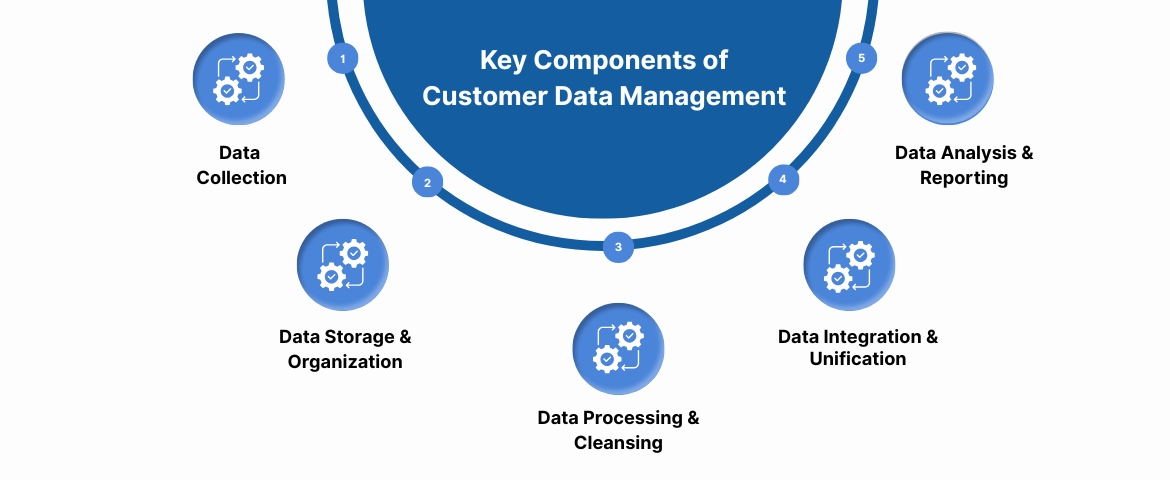
1. Data Collection
Collecting the right types of data is the foundation of customer data management. Businesses typically gather:
- Demographic Data: Age, location, occupation, and other personal details for audience segmentation.
- Behavioral Data: Website visits, clicks, app usage, and interactions to understand engagement patterns.
- Transactional Data: Purchase history, returns, and payment methods to analyze customer preferences and spending behavior.
Proper collection ensures you have the right information to drive targeted marketing and personalized experiences.
2. Data Storage & Organization
Storing data securely in structured repositories prevents silos and ensures teams can access consistent information. Proper organization makes it easier to manage large volumes of data while maintaining compliance with privacy laws.
3. Data Processing & Cleansing
Clean, accurate data is essential for meaningful insights. This includes removing duplicates, correcting errors, and standardizing formats. Well-processed data enables reliable analytics and confident decision-making.
4. Data Integration & Unification
Integrating disparate data sources creates a single, unified customer view. Combining CRM, CDP, e-commerce, and analytics data ensures every team sees the same accurate information, improving personalization and reducing errors.
5. Data Analysis & Reporting
Turning raw data into actionable insights is the final step. Businesses can identify trends, measure campaign effectiveness, track KPIs, and optimize customer journeys. Effective analysis enables data-driven decision-making across marketing, sales, and customer support teams.
When these components work together seamlessly, businesses can leverage customer data to drive growth, improve retention, and make confident decisions that deliver measurable results.
Also read: Understanding What is Data Integration: Process, Tools, and Examples - Ingest Labs
Why Customer Data Management Is Important
Customer data management is no longer just a technical requirement. It is a strategic advantage that helps businesses make informed decisions, deliver better experiences, and achieve measurable growth. Here’s why it is essential:
1. Build a Unified Customer View
- Consolidate data from multiple channels into a single customer profile.
- Enables precise targeting, reduces redundancy, and ensures consistent messaging across marketing campaigns.
- Provides teams with a complete understanding of the customer journey, improving coordination and decision-making.
2. Improve Personalization and Customer Experience
- Use insights to deliver tailored experiences that resonate with individual customers.
- Personalization increases engagement, customer satisfaction, and loyalty.
- Allows marketing teams to identify high-value segments and create campaigns that maximize conversions.
3. Boost Marketing ROI and Business Decisions
- Data-driven strategies help allocate budgets efficiently and optimize campaign performance.
- Informed decision-making ensures marketing efforts deliver maximum return on investment.
- Enables performance tracking across channels, helping teams quickly adjust strategies for better results.
4. Enhance Compliance and Data Privacy Governance
- Centralized data management simplifies adherence to privacy regulations such as GDPR and CCPA.
- Reduces risks of non-compliance and protects customer trust.
- Makes it easier to implement consent management and ethical data practices across all platforms.
5. Strengthen Trust and Customer Loyalty
- Responsible use of customer data shows respect for privacy and ethical practices.
- Builds long-term confidence and loyalty with your audience.
- Demonstrates transparency and reliability, which can differentiate your brand in competitive markets.
6. Streamline Operations Across Teams
- Centralized and unified data promotes collaboration across marketing, sales, and customer service.
- Reduces duplication, improves efficiency, and accelerates business workflows.
- Allows teams to make faster, coordinated decisions and respond more effectively to customer needs.
Effective customer data management turns raw information into actionable insights, enabling businesses to improve ROI, enhance personalization, and strengthen customer relationships.
Challenges in Managing Customer Data for Startups
While customer data management is essential, startups face unique challenges that can impact decision-making, growth, and customer experiences:
- Data Silos and Fragmentation: Data from social media, email, and marketing tools often exists in separate systems, making it difficult to get a complete customer view.
- Inadequate Security Measures: Limited security protocols can lead to breaches, eroding trust and causing legal or financial consequences.
- Resource and Budget Constraints: Startups may lack advanced tools or skilled personnel to analyze data effectively, limiting actionable insights.
- Integration Difficulties: Data from multiple sources often comes in different formats, requiring technical expertise and scalable solutions to unify it.
- Data Accuracy and Quality Issues: Poorly validated or outdated data can result in flawed insights and ineffective campaigns.
- Compliance Challenges: Adhering to GDPR, CCPA, and other privacy laws without structured processes increases operational risk.
Addressing these challenges early with governance frameworks, scalable platforms, and clear policies ensures startups can leverage customer data effectively to drive growth, improve personalization, and maintain trust.
Also read: How Ethical Data Collection Builds Trust and Fuels Business Growth
Best Practices for Effective Customer Data Management
Maximizing the value of customer data requires more than just collection. Adopting best practices ensures your data is accurate, secure, and actionable, enabling smarter decisions and better customer experiences. Here are the key strategies:
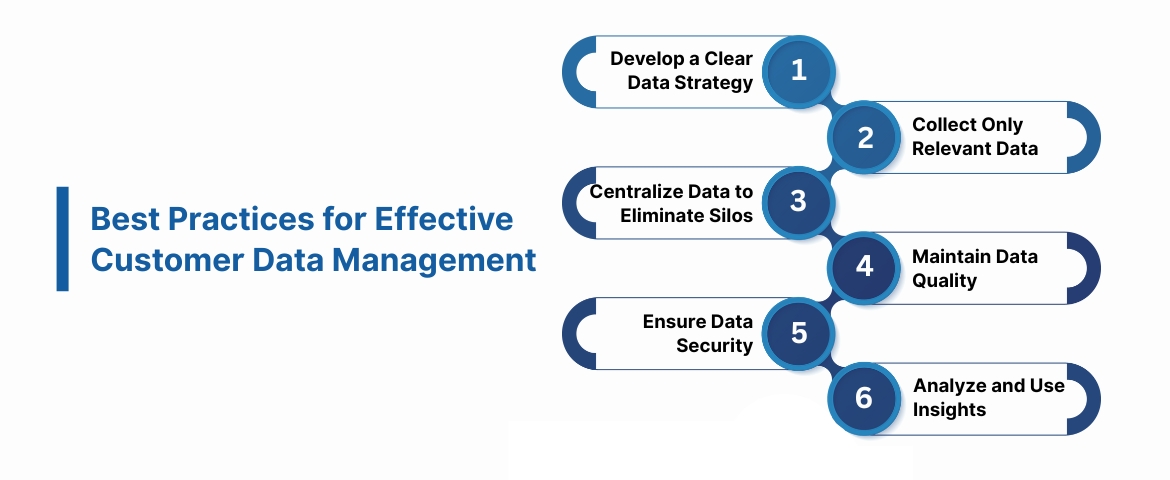
1. Develop a Clear Data Strategy
- Define what data to collect, why it is important, and how it will be used.
- Standardize data collection across teams to maintain consistency and accuracy.
- Regularly review and adjust your strategy to align with evolving business objectives and compliance requirements.
2. Collect Only Relevant Data
- Focus on data that drives business outcomes and avoids unnecessary information.
- Ensure data is obtained ethically, legally, and accurately.
- Assign clear ownership of data usage across departments to maximize effectiveness.
3. Centralize Data to Eliminate Silos
- Integrate data from all systems and channels into a unified platform accessible to every team.
- Allow marketing, sales, support, and operations teams to leverage the same insights for consistent decision-making.
- Connect tools like CRMs, CDPs, analytics platforms, and internal software to ensure data flows seamlessly.
4. Maintain Data Quality and Governance
- Regularly validate, clean, and update data to ensure accuracy and reliability.
- Establish governance policies to define standards, responsibilities, and processes for data handling.
- Conduct periodic audits to monitor data quality and compliance.
5. Ensure Data Security and Compliance
- Implement encryption, access controls, and the principle of least privilege to protect sensitive customer information.
- Align practices with GDPR, CCPA, and other relevant privacy regulations.
- Perform regular audits of data access and storage to identify vulnerabilities and maintain customer trust.
6. Analyze and Use Insights
- Use unified platforms to transform raw data into actionable insights.
- Monitor trends, measure campaign performance, and optimize customer interactions.
- Leverage insights to improve personalization, retention, and ROI across marketing, sales, and service teams.
By following these best practices, businesses can turn customer data into a strategic asset, driving growth, improving customer experiences, and maintaining trust and compliance.
Tools and Technologies That Support Customer Data Management
Modern customer data management relies on a combination of tools and technologies that help businesses collect, organize, and act on data efficiently. Key solutions include:
- Customer Data Platforms (CDPs): Centralize data from multiple sources to create unified customer profiles. CDPs make it easier to analyze behavior, personalize experiences, and share insights across marketing, sales, and support teams.
- Data Management Platforms (DMPs): Focus on handling large volumes of anonymized data, enabling audience segmentation and targeting for advertising campaigns.
- Data Orchestration Tools: Streamline the flow of data across systems, ensuring consistent, accurate, and real-time information is available for all teams.
- AI and Automation: AI and automation enhance data management by supporting anomaly detection, monitoring data health, and surfacing real-time event patterns that analytics teams can act on using downstream tools.
Together, these technologies reduce silos, improve data quality, support compliance, and empower smarter decision-making.
How Ingest Labs Supports Customer Data Management
Ingest Labs provides a privacy-first, all-in-one platform that simplifies customer data management and helps businesses leverage data effectively:
- Unified Customer Profiles with Ingest ID: Consolidates interactions across web, mobile, and apps into a single first-party identifier, enabling a more complete and consistent view of customer interactions across connected channels.
- Server-Side Tracking with Ingest IQ: Collects accurate customer signals across multiple channels while bypassing browser limitations, ensuring high-quality and compliant data.
- Event IQ: Monitors and validates event data in real time, helping teams detect anomalies, prevent data loss, and maintain reliable signals for analytics and activation platforms.
- Seamless Data Integration: Connects with CRMs, analytics tools, and marketing platforms to centralize data for easier access, governance, and reporting.
- Privacy and Compliance Built-In: Supports adherence to GDPR, CCPA, and other privacy regulations, making compliance easier for businesses operating in North America.
By combining these capabilities, Ingest Labs enables businesses to manage, unify, and act on customer data efficiently, driving better targeting, personalization, and marketing ROI.
Conclusion
Effective customer data management turns scattered information into a single source of truth. By collecting accurate data, maintaining quality, and unifying it across systems, businesses can deliver personalized experiences, optimize marketing campaigns, and make informed decisions. Startups and enterprises can overcome challenges like data silos, integration issues, and compliance risks by following clear strategies and best practices.
With Ingest Labs, you can centralize customer profiles, track interactions across channels, gain reliable real-time visibility into customer interactions and data performance, and ensure privacy compliance with GDPR and CCPA. This allows your teams to act on reliable data, improve targeting, and increase ROI.
Book a demo of Ingest Labs to see how our platform can simplify customer data management and drive measurable business results.
FAQs
1. What is customer data management?
Customer data management is the process of collecting, organizing, storing, and using customer information in a structured way to improve decision‑making, personalization, and business outcomes. It covers data acquisition, integration, governance, and analytics.
2. Why is customer data management important for businesses?
Customer data management enables businesses to create a unified view of each customer, deliver personalized experiences, make informed decisions, enhance marketing effectiveness, and ensure compliance with privacy regulations.
3. What are the common challenges in customer data management?
Key challenges include data silos, inconsistent or poor‑quality data, integration issues between systems, privacy compliance complexity, and managing large volumes of data from multiple sources.
4. What types of customer data should a business collect?
Relevant customer data includes demographic details, behavioral patterns, transactional records, engagement history, and interaction data across channels. Businesses should focus on data that drives meaningful insights and outcomes.
5. How can companies improve customer data management?
Companies can improve CDM by implementing centralized data platforms, establishing clear governance policies, maintaining data quality through cleansing, integrating analytics tools, and ensuring compliance with data regulations.
6. What is the difference between customer data management and a CRM?
Customer data management refers to the overall strategy and processes for managing customer information. A CRM is a tool that helps store and manage customer interactions and relationships, often forming part of a broader CDM ecosystem.