




Analytics teams are being forced to rethink measurement as third-party cookies disappear. This shift is already affecting a meaningful share of real traffic. Browsers that block third-party cookies by default, such as Safari and Firefox, account for roughly 25% of global web usage, meaning cookie-based analytics fail before data ever reaches reporting tools.
As more platforms move toward similar restrictions, relying on cookies alone introduces growing gaps in attribution, identity, and performance measurement. Analytics without cookies is no longer a fallback; it’s becoming a requirement for maintaining accurate, privacy-compliant insights.
In a nutshell
- Analytics without cookies is now essential, not optional, as third-party cookies are being phased out across major browsers and platforms.
- Traditional cookie-based tracking leads to data loss, fragmented attribution, and compliance risk, especially under GDPR and CCPA.
- Cookieless analytics relies on first-party data, server-side tracking, aggregated measurement, and consent-aware data collection to maintain accuracy.
- Approaches like server-side event processing, first-party identifiers, and unified customer data help improve attribution and cross-channel visibility even when individual-level cookies are unavailable.
- A privacy-first analytics foundation allows teams to measure performance reliably, reduce signal loss, and adapt to evolving tracking standards without compromising trust.
Privacy-Friendly Tracking: What It Means and Why It Matters
User behavior tracking still matters, but how it's done has shifted. As third-party cookies disappear and privacy expectations rise, teams need measurement methods that deliver insights without overstepping consent or regulatory limits.
Privacy-friendly tracking focuses on first-party or anonymized data collected from owned digital properties. Instead of following users across the web, it measures meaningful interactions within clear privacy boundaries.
This matters because trust and compliance now shape data quality. Regulations like GDPR and CCPA regulate how personal data is collected, processed, and shared, requiring clear consent and transparency. Approaches that ignore this often lead to data loss, reporting gaps, and compliance risk.
A privacy-first model offers a more sustainable way to maintain performance visibility while respecting user expectations.
How Privacy-Friendly Tracking Works Without Cookies
Traditional analytics depend on browser cookies to recognize users across sessions. Privacy-friendly approaches remove that dependency and rely on alternative methods that reduce identity exposure.

Common approaches include:
- Server-side tracking: Events are processed on the server, limiting reliance on browser storage and improving control over data collection.
- First-party data collection: Insights are gathered directly from owned channels, subject to user consent and purpose limitation rather than third-party trackers.
- Anonymized session analysis: Behavior is measured at a session or aggregate level without storing personal identifiers.
- Cookieless analytics tools: Platforms designed to measure activity using aggregated events, contextual signals, or server-side processing rather than browser cookies.
These methods allow teams to measure engagement and performance without depending on cookies or invasive identifiers.
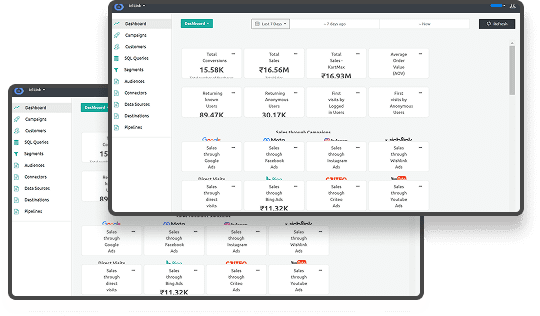
When browser-based identifiers are unavailable, server-side tracking becomes the foundation for reliable analytics. Platforms like Ingest Labs support this through Ingest IQ, which captures and validates events server-side, helping reduce data loss caused by cookie blocking and browser restrictions.
The Move Beyond Third-Party Cookies
Third-party cookies were long used to track users across websites and support behavioral targeting. They were placed by external networks rather than the sites users intentionally visited, often with limited visibility or control.
That approach is becoming increasingly unsustainable as browsers, regulators, and users push for stronger privacy protections. Increased regulatory pressure, changing browser policies, and growing user awareness have accelerated the phase-out of third-party cookies. This shift goes beyond compliance; it changes how analytics, attribution, and personalization are designed.
As third-party tracking fades, organizations are reworking measurement strategies around first-party data, contextual signals, and consent-led data practices.
What Replaces Third-Party Cookies in Analytics
Analytics without cookies relies on a combination of first-party data, contextual signals, and privacy-respecting identity methods rather than cross-site surveillance.
Common approaches replacing third-party cookies include:
- First-party data and automation
Teams analyze on-site behavior, declared preferences, and engagement patterns to personalize experiences and measure performance without relying on third-party identifiers.
- Contextual measurement and targeting
Ads and content are aligned with what users are actively viewing, using modern content analysis instead of historical browsing data.
- Direct, voluntary data collection
Email sign-ups, loyalty programmes, surveys, and preference centres provide meaningful insight when users knowingly opt in.
- Privacy-first platform technologies
Browser initiatives, such as Google's Privacy Sandbox, introduce new APIs to support measurement while limiting individual tracking.
- Owned channels over walled gardens
While large platforms offer scale, relying solely on them limits control. Websites, apps, and first-party touchpoints remain central to long-term measurement.
- Consent-based identity solutions
With user approval, privacy-preserving first-party identifiers can support cross-session recognition without exposing personal data.
Some techniques, such as device fingerprinting, face significant regulatory scrutiny and are widely considered non-compliant under GDPR when used without explicit consent.
In cookieless environments, consistent measurement relies on first-party identifiers rather than third-party cookies. Ingest ID assigns privacy-safe, first-party identifiers that help link interactions across sessions and devices without relying on deprecated browser signals.
Platforms Supporting Analytics Without Cookies
As third-party cookies become less reliable, several analytics platforms now support measurement approaches that limit or avoid cookie usage altogether. These tools differ in how much control they offer over data handling, identity, and governance, which often determines where they fit within a broader analytics stack.

Commonly used options for analytics without cookies include:
- Plausible Analytics
A lightweight, open-source tool focused on aggregated website insights. It avoids cookies entirely and is typically used where high-level visibility is sufficient.
- Fathom Analytics
Designed with privacy constraints in mind, Fathom does not store personally identifiable information and operates without cookies.
- Simple Analytics
A GDPR-compliant platform that provides basic traffic and engagement reporting without collecting personal data.
- Matomo
A self-hosted solution that gives organizations direct control over data storage and configuration while supporting privacy-friendly tracking setups.
- Google Analytics 4 with server-side tracking
GA4 can reduce reliance on browser cookies when events are collected server-side and consent logic is enforced before data reaches Google’s endpoints, although GA4 still uses first-party cookies in many default configurations.
While these platforms support cookie-free measurement, they are often limited to reporting rather than governing how events are collected, validated, and shared across systems. In setups where identity handling, consent enforcement, and event quality need tighter control, teams commonly introduce a server-side data layer to manage these responsibilities upstream.
Tools such as Ingest Labs operate at this infrastructure layer, helping standardize event collection and first-party identity handling before data is sent to analytics platforms, rather than replacing the analytics tools themselves.
Why Many Teams Are Moving Away from Cookie Banners
As privacy expectations tighten, more organizations are reassessing whether cookie-based analytics still delivers enough value to justify the trade-offs. For many, shifting to analytics without cookies offers clear operational and measurement advantages.
More Complete and Reliable Data
When users decline analytics cookies, large portions of traffic disappear from reports. Cookieless analytics avoids this drop-off by measuring visits and interactions without relying on browser-stored identifiers, resulting in a more representative view of site activity.
Fewer Compliance Frictions
When no non-essential cookies or identifiers are used, consent banners may not be required for basic measurement if no non-essential cookies or identifiers are used and data remains anonymous and purpose-limited.
This simplifies compliance with GDPR and UK PECR requirements and reduces the ongoing effort of consent management, audits, and policy updates.
A Smoother On-Site Experience
Cookie banners interrupt browsing and can influence how users engage with content. Removing them creates a cleaner experience, allowing visitors to interact with pages without friction at the point of entry.
Less Exposure to Ad Blockers
Many ad blockers target cookie-based scripts directly, preventing data collection before it begins. Cookieless analytics methods are less affected by these tools, helping maintain consistent tracking even as blocking adoption grows.
Higher-Quality Traffic Insights
Privacy-focused analytics platforms are typically designed with stronger filtering and validation. This reduces the influence of bot traffic and inflated page views, keeping engagement metrics closer to real user behavior.
Learn more about: What Is Customer Data Analytics? Meaning, Types & Applications
Key Limitations to Consider in Cookie-Free Analytics
Moving away from cookies improves privacy posture, but it also introduces practical measurement challenges that teams need to address early. Understanding these limitations helps prevent gaps in reporting and attribution as cookieless strategies scale.

Reduced Ability to Recognise Returning Users
Without cookies persisting across sessions, identifying returning visitors becomes more complex. Distinguishing returning users across devices or visits often requires a stronger first-party identity strategy rather than relying on browser storage alone.
Weaker Attribution Signals
Cookie restrictions can limit how reliably conversions are attributed back to paid campaigns, including Google Ads and other acquisition channels. When identifiers drop or reset, conversion paths appear fragmented, making it harder to evaluate campaign effectiveness with confidence.
Higher Implementation Complexity
Some cookieless analytics approaches demand more technical involvement than traditional setups. Configuring server-side tagging, managing identifiers through Google Tag Manager, or integrating APIs can introduce setup overhead if governance and validation are not clearly defined.
Ongoing Privacy and Compliance Pressure
Privacy requirements continue to evolve across regions, particularly in North America and Europe. Cookieless measurement still requires careful consent handling, data minimization, and ongoing monitoring to ensure tracking practices remain compliant as regulations change.
Addressing these limitations early enables teams to adopt analytics without cookies while maintaining data accuracy, clear attribution, and regulatory confidence.
As data becomes more distributed in cookieless setups, maintaining a unified view of performance is critical. Event IQ helps consolidate events from multiple sources, allowing teams to validate and analyze customer journeys even when cookie-based stitching is unavailable.
Practical Approaches to Strengthen Cookieless Measurement
Moving away from cookies does not mean giving up meaningful insights. Teams can still maintain visibility into performance by adjusting how data is collected and interpreted. The strategies below focus on accuracy and privacy without relying on user-level identifiers.
Use Campaign Parameters for Attribution
UTM parameters remain one of the most reliable ways to measure campaign performance without cookies. By appending structured parameters to URLs, teams can attribute traffic, conversions, and engagement back to specific channels or campaigns without storing personal data. This approach works well for paid media, email, and partner referrals, where source clarity matters most.
Shift Toward Session-Level Measurement
Instead of following individual users across visits, session-based tracking captures behavior within a single interaction window. Metrics such as page views, time on site, and event sequences continue to provide valuable insights into content performance and funnel health while reducing reliance on persistent identifiers.
Rely on Contextual Interaction Signals
Contextual analytics focuses on what happens during a session rather than who the user is. Signals like scroll depth, button clicks, video engagement, and form interactions help teams understand intent and usability patterns. These signals support optimization decisions without introducing privacy risk.
Apply Pattern-Based Analysis on Aggregated Data
Analyzing anonymized, aggregated event data allows teams to identify trends without relying on cookies. Pattern recognition across sessions can highlight drop-off points, high-performing content, or engagement shifts over time, helping guide optimization while respecting data protection requirements.
Together, these approaches help teams maintain reliable measurement in cookieless environments by focusing on behavior, context, and structure rather than identity persistence.
Also read: Customer Lifecycle vs Journey: Key Differences Explained
Where Cookieless Analytics Is Headed
As third-party cookies continue to disappear, cookieless analytics is becoming the baseline rather than an alternative. Teams that adjust early are better equipped to measure performance without relying on fragile, browser-level identifiers.
A few practical shifts are shaping this transition.
Aggregated measurement over individual tracking
Analytics is moving toward analyzing aggregated behavior rather than individual users. This approach supports compliance while still offering meaningful performance insights.
First-party and voluntarily shared data
As passive tracking declines, zero-party data collected through preference centers or surveys is gaining importance. Clear value exchange and trust now play a direct role in data quality.
Server-side and edge-level processing
Processing events outside the browser reduces signal loss and improves control over what data is collected and forwarded. This also limits unnecessary exposure of user information.
Modelled insights without personal identifiers
Predictive methods help identify trends and outcomes using anonymized signals rather than storing personal data.
In this environment, maintaining reliable analytics without cookies depends on how well first-party data is collected, validated, and governed. Platforms like Ingest Labs support this shift by enabling privacy-first, server-side measurement that preserves visibility as traditional identifiers fade.
Conclusion
Cookieless analytics is becoming the standard as browser policies and privacy regulations reshape how data is collected. Relying on cookies alone creates blind spots, weak attribution, and growing compliance risk.
The focus moves from tracking individuals to validating signals, maintaining consistency, and protecting data integrity.
Platforms like Ingest Labs support analytics without cookies by enabling server-side collection, first-party identity management, and unified event visibility, helping teams maintain reliable insights as tracking standards evolve.
If cookie loss is already affecting your reporting accuracy, it may be time to strengthen your analytics foundation.
Contact Ingest Labs to build a privacy-first measurement strategy designed for a cookieless future.
FAQs
1. What is cookieless analytics?
Cookieless analytics measures user behavior without relying on third-party cookies, instead using first-party data, aggregated event signals, or server-side processing.
2. Why are third-party cookies being phased out?
Browser vendors are restricting third-party cookies to improve user privacy and reduce cross-site tracking, driven by regulatory pressure and user expectations.
3. Can analytics without cookies still be accurate?
Yes. When implemented correctly, cookieless approaches can deliver reliable insights by validating events server-side and using consistent first-party identifiers.
4. How does server-side tracking support cookieless analytics?
Server-side tracking reduces browser-level data loss, improves control over data flow, and helps maintain accuracy when cookies are unavailable.
5. Is cookieless analytics compliant with privacy laws?
Cookieless analytics is better aligned with regulations like GDPR and CCPA because it limits reliance on personal identifiers and supports consent-aware data collection.