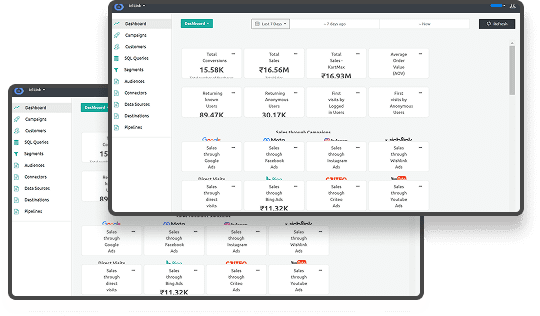





Imagine making major business decisions blindfolded, guessing which marketing campaigns work, which pages drive conversions, and how your customers navigate your website. Sounds risky, right? Yet many organizations operate this way because they lack clear insights into user behavior.
Digital analytics removes the guesswork. By collecting and analyzing behavioral data from websites, apps, and marketing channels, it reveals how users engage with your brand across every touchpoint. This insight helps you make decisions grounded in evidence, not assumptions.
In this guide, you’ll discover what digital analytics is, how it differs from web analytics, where data comes from, the key metrics to track, and how to build a strategy that drives measurable business outcomes.
Key Takeaways
- Digital analytics collects and analyzes data from websites, apps, and marketing channels to reveal how users interact with your brand at every touchpoint.
- Provides a cross-channel view of customer journeys, highlighting engagement patterns, conversion drivers, and friction points.
- Tracks metrics such as traffic, conversions, retention, channel performance, and revenue impact to enable actionable business decisions.
- Supports building structured strategies by defining goals, identifying data sources, implementing consistent tracking, and acting on insights.
- Ensures accuracy and privacy compliance using first-party data and server-side tracking, delivering reliable insights in regulated environments.
What Is Digital Analytics?
Digital analytics is the practice of collecting, measuring, and analyzing data from digital touchpoints to understand how users interact with your brand. It goes beyond simple reporting, capturing insights from websites, mobile apps, social media, email campaigns, and other marketing channels. By examining these interactions, you gain a clear picture of customer behavior, engagement patterns, and conversion drivers.
At its core, digital analytics transforms raw data into analytics-ready signals and insights when used with downstream analytics tools. It allows you to identify which campaigns drive results, which pages or features need optimization, and how different channels contribute to your business goals. When applied consistently, it empowers you to make evidence-based decisions, improve customer experiences, and maximize return on marketing investments.
Digital analytics is generally divided into two main types:
- Marketing Analytics: Focuses on campaign performance, channel effectiveness, and customer acquisition. Marketing teams use this to optimize campaigns, allocate budgets efficiently, and improve ROI.
- Product Analytics: Focuses on user behavior within your website, app, or product. Product teams analyze feature usage, engagement patterns, and retention to enhance the user experience and drive growth.
In leading organizations, marketing and product teams work collaboratively, using insights from both analytics types to make evidence-based decisions, optimize strategies, and achieve measurable business outcomes.
Difference Between Digital Analytics and Web Analytics
Digital analytics and web analytics are often used interchangeably, but they serve different purposes and offer distinct insights for modern businesses.
| Feature / Focus Area | Web Analytics | Digital Analytics |
| Primary Scope | Tracks website performance, page views, clicks | Covers websites, mobile apps, marketing campaigns, social media, and other digital touchpoints |
| Purpose | Measures what happens on a website | Provides insights into user behavior, engagement, and conversions across multiple channels |
| Metrics | Traffic, bounce rate, session duration | Engagement metrics, funnel performance, conversions, retention, ROI |
| Business Impact | Limited to website performance insights | Informs cross-channel strategy, improves customer experience, and drives business outcomes |
| Team Usage | Typically marketing or web teams | Marketing, product, analytics, and executive teams collaborate for strategic decisions |
| Limitations | Single-channel view, lacks holistic insight | Requires proper tracking and integration of multiple data sources |
While web analytics focuses on individual websites, digital analytics provides a holistic view across channels. Modern businesses need this broader perspective to understand the complete customer journey and make evidence-based decisions that maximize ROI.
Also read: Web Analytics vs Mobile Analytics: Key Differences Explained - Ingest Labs
Why Digital Analytics Is Important for Businesses
Digital analytics is a strategic tool that helps your business make smarter decisions, optimize marketing performance, and deliver meaningful customer experiences. By understanding user behavior across websites, apps, and campaigns, businesses can act on insights rather than assumptions, driving measurable outcomes and growth.
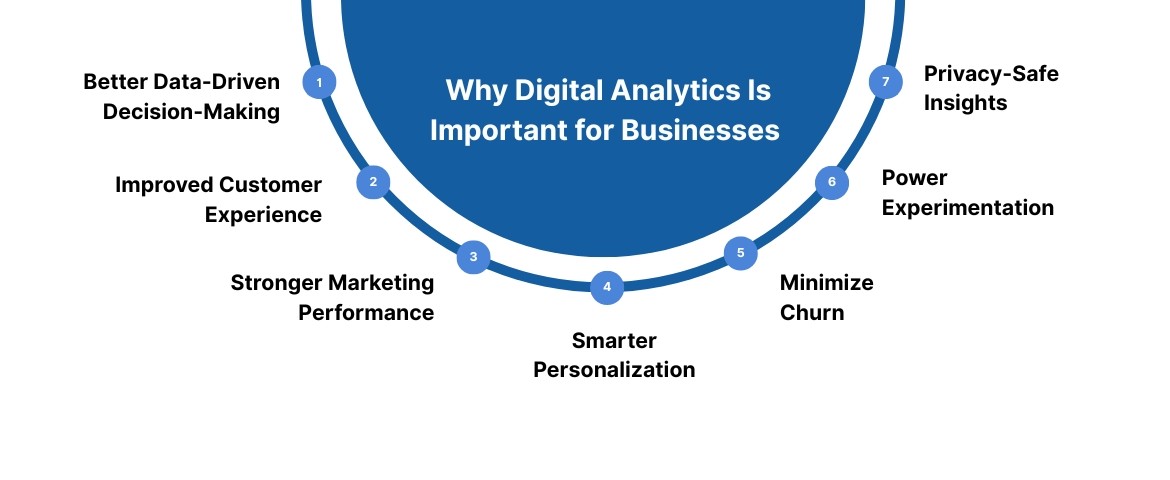
1. Better Data-Driven Decision-Making
With accurate analytics, you move from intuition to evidence. Every campaign, feature, or website update can be evaluated based on real user behavior, ensuring resources are spent on strategies that actually work.
2. Improved Customer Experience and Journey Insights
Digital analytics reveals friction points, drop-offs, and opportunities across customer journeys. By understanding how users interact with your platforms, you can optimize experiences that keep customers engaged and loyal.
3. Stronger Marketing Performance and ROI Measurement
Tracking cross-channel performance allows you to identify which campaigns, channels, and content deliver the best returns. This ensures marketing budgets are allocated efficiently and ROI is maximized.
4. Smarter Personalization and Targeting
Analyzing behavioral data helps you tailor messaging, offers, and experiences to individual users. Personalization improves engagement, conversion rates, and customer satisfaction.
- Predict customer needs and support tailored experiences through accurate behavioral data.
- Use insights to enable targeted product recommendations through downstream platforms, upselling, and cross-selling opportunities.
5. Minimize Churn
Align your product performance with marketing promises. Analytics can pinpoint stages where users drop off, allowing you to refine onboarding, campaigns, or features to retain more customers. Target campaigns at high-value demographics to attract loyal users with long-term revenue potential.
6. Power Experimentation and Growth
Analytics uncovers hidden opportunities. For example:
- Identify features that drive engagement (like playlist-building) and expand them.
- Test new marketing strategies based on behavioral insights to reduce churn and increase conversions.
7. Reliable Insights in a Cookieless, Privacy-Regulated Environment
With privacy regulations like GDPR and CCPA, businesses must rely on first-party data and compliant tracking. Digital analytics provides accurate insights while respecting privacy, ensuring decision-making remains robust in a cookieless world.
Where Does Digital Analytics Data Come From?
Digital analytics relies on multiple data sources to provide a complete, actionable view of customer behavior. By collecting insights from different touchpoints, businesses can optimize campaigns, improve user experiences, and make data-driven decisions that drive measurable outcomes.
1. Website Interactions
Your website is often the first point of engagement with customers, and every interaction provides valuable insights. Understanding these behaviors helps identify friction points and optimize for conversions.
- Page views, clicks, scroll depth, and session duration
- Form submissions, downloads, and content engagement
- Heatmaps and navigation paths to identify friction areas
- Conversion funnel drop-offs and landing page performance
2. Mobile App Behavior
Mobile apps generate rich behavioral data that goes beyond website interactions. Tracking these interactions helps product teams enhance engagement and retention.
- Feature usage, session frequency, and in-app purchases
- Retention, churn, and user journey insights within the app
- Push notification interactions and A/B testing results
- Behavioral patterns for product optimization and engagement improvements
3. Marketing and Advertising Platforms
Campaign performance across search, social, display, and email channels offers critical insights into user engagement and ROI.
- Click-through rates (CTR), impressions, and engagement metrics
- Multi-channel attribution to understand contribution of each channel
- Campaign budget allocation and performance optimization
- Audience behavior and segmentation for improved targeting
4. E-Commerce and Transaction Systems
Transactional data reveals buying behavior, preferences, and purchase patterns, supporting revenue growth and personalized experiences.
- Purchase history, abandoned carts, and checkout behavior
- Product preferences, purchase frequency, and average order value
- Promotion performance and seasonal trends
- Insights to optimize conversion and reduce churn
Also read: Setting Up Enhanced Ecommerce Tracking with Ingest IQ
5. CRM and Customer Data Platforms (CDPs)
CDPs and CRMs consolidate first-party customer data across touchpoints, providing a single source of truth for personalization and engagement.
- Customer profiles, segmentation, and lifecycle insights
- Loyalty metrics and retention tracking
- Cross-sell and upsell opportunities based on behavioral data
- Data unification for marketing, product, and analytics teams
6. Server-Side Tracking and Event Data
Server-side data ensures accurate tracking, even in privacy-compliant or cookieless environments.
- Direct event capture from servers rather than browsers
- Reliable cross-channel attribution and conversion measurement
- Integration with other data sources for holistic insights
- Reduces data loss due to ad-blockers or browser restrictions
7. Third-Party Integrations and APIs
Integrating with other platforms allows enrichment of first-party data and deeper insights into user behavior.
- Payment gateways, loyalty programs, and survey tools
- Behavioral data from SaaS applications or external platforms
- Enrichment of analytics with contextual insights
- Helps uncover opportunities beyond your website and app
To get the most reliable insights from your analytics, consider solutions that consolidate first-party data and support server-side tracking. Platforms like Ingest Labs’ Ingest IQ and Ingest ID help businesses track user interactions across devices and platforms in a privacy-compliant manner. This ensures accurate attribution, real-time insights, and a unified customer view, critical for data-driven decision-making.
Core Digital Analytics Metrics
Tracking the right metrics is about understanding how every interaction affects revenue, engagement, and long-term growth. These core metrics give you actionable insights to optimize campaigns, customer journeys, and business strategies.
- Traffic and Engagement Metrics: Measure page views, session duration, clicks, and scroll depth to understand how users interact with your digital properties. Insights help improve content performance and site navigation.
- Conversion and Funnel Metrics: Track goal completions, form submissions, and checkout rates to identify friction points and optimize the customer journey for higher conversions.
- Acquisition and Channel Performance Metrics: Analyze traffic sources, campaigns, and referral channels to allocate marketing budgets effectively and boost ROI across channels.
- Retention and Behavior Metrics: Monitor repeat visits, churn rates, and feature usage to improve engagement, loyalty, and long-term customer value.
- Revenue-Linked Metrics (ROAS, CAC, LTV): Evaluate return on ad spend (ROAS), customer acquisition cost (CAC), and lifetime value (LTV) to make strategic marketing and investment decisions that drive profitability.
By focusing on these metrics, your business can translate data into actionable strategies that enhance performance, improve customer experiences, and maximize revenue across all digital channels.
Also read: How to Calculate Return on Ad Spend (ROAS)
How to Build a Digital Analytics Strategy
A strong digital analytics strategy transforms raw data into actionable insights that drive growth, improve customer experiences, and maximize ROI. Following a structured approach ensures that every tracking, tool, and analysis aligns with your business objectives and delivers measurable results.
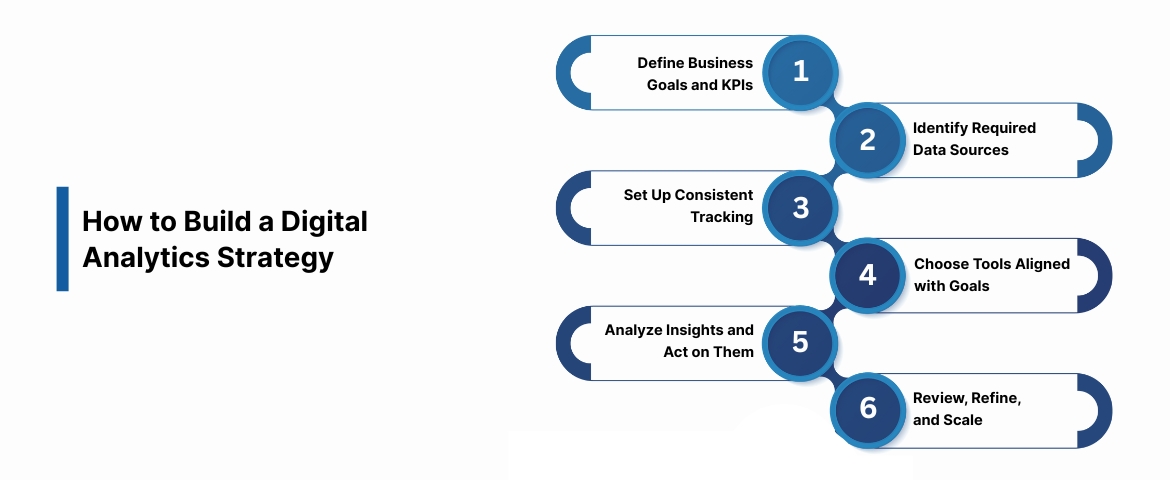
1. Define Business Goals and KPIs
Clear goals and KPIs are the foundation of any successful analytics strategy. Without well-defined objectives, you risk collecting data that does not inform decisions or improve outcomes.
- Align KPIs with key business priorities such as revenue growth, customer acquisition, retention, or conversion improvements
- Focus on measurable outcomes instead of vanity metrics to ensure actionable insights
- Ensure all teams understand and agree on objectives for consistent tracking and collaboration
2. Identify Required Data Sources
A comprehensive analytics strategy requires data from all relevant customer touchpoints. Identifying the right sources ensures you capture the behavior and interactions that truly matter to your business.
- Map all channels where users interact with your brand, including websites, mobile apps, social media, and email campaigns
- Prioritize first-party data for accuracy, privacy compliance, and long-term reliability
- Integrate multiple data sources to gain a complete, unified view of customer behavior and journey
3. Set Up Consistent Tracking and Events
Tracking must be standardized and reliable across all platforms to deliver actionable insights. Without consistency, comparisons and analysis will be inaccurate, limiting your ability to optimize campaigns or experiences.
- Standardize event names, categories, and parameters across platforms to ensure consistency
- Track critical user actions and micro-conversions to uncover meaningful behavior patterns
- Regularly validate data collection to maintain accuracy and reliability for decision-making
4. Choose Tools Aligned with Goals
The right analytics tools enable accurate data capture, integration, and real-time insights. Choosing tools that align with your goals ensures you can measure what matters and act quickly on insights.
- Select platforms that support cross-channel tracking, first-party data collection, and privacy compliance
- Consider server-side tracking solutions for accurate attribution and reduced data loss
- Use tools like Ingest Labs to consolidate data and provide real-time insights for actionable decisions
5. Analyze Insights and Act on Them
Data alone is not valuable without analysis and action. Regular review of analytics helps identify opportunities, optimize campaigns, and improve user experience to drive business growth.
- Segment users and analyze behavior patterns to inform targeting and personalization
- Optimize campaigns, product features, and customer journeys based on insights
- Implement continuous testing and iteration to refine strategies and improve outcomes
6. Review, Refine, and Scale
Analytics strategies are not static. Regular evaluation allows you to refine tracking, update goals, and scale successful tactics for maximum impact.
- Audit existing data, events, and KPIs to identify gaps or inconsistencies
- Scale high-performing campaigns or product features across channels for greater impact
- Adjust strategy dynamically based on evolving business goals, market trends, and user behavior
A well-structured digital analytics strategy allows your business to transform data into actionable decisions, optimize marketing and product performance, and achieve measurable growth across all digital channels.
Common Digital Analytics Mistakes to Avoid
Even the best analytics tools cannot deliver results if your strategy contains fundamental errors. Avoiding these common mistakes ensures your data drives meaningful insights and business growth.
- Tracking Everything Without Clear Goals: Collecting data without defined objectives leads to cluttered reports and wasted resources. Focus on metrics that directly tie to business goals.
- Relying on Siloed Data: Disconnected data from websites, apps, marketing platforms, and CRMs limits visibility. Integrate data sources to get a unified, actionable view of customer behavior.
- Ignoring Privacy and Compliance: Non-compliance with GDPR, CCPA, and other privacy laws can harm customer trust and result in penalties. Use first-party and privacy-compliant tracking methods.
- Focusing on Vanity Metrics: Metrics like page views or downloads alone do not indicate business success. Prioritize metrics that reflect conversions, engagement, revenue, and ROI.
- Not Acting on Insights: Data is only valuable when acted upon. Failing to optimize campaigns, customer journeys, or product features based on insights leads to missed opportunities and stagnated growth.
Avoiding these pitfalls ensures your digital analytics strategy remains focused, compliant, and actionable, delivering insights that drive measurable business results.
How Ingest Labs Enhances Your Digital Analytics Strategy
Accurate, privacy-compliant, and unified data is the backbone of any effective digital analytics strategy. Ingest Labs provides solutions that help businesses consolidate first-party data, implement server-side tracking, and gain real-time insights across channels.
- Unified First-Party Data: Ingest ID assigns a unique identifier to each visitor, consolidating interactions from web, mobile, and other platforms for a single customer view.
- Server-Side Tracking: Ingest IQ enables accurate tracking in cookieless and privacy-regulated environments, ensuring reliable cross-channel attribution.
- Event IQ: Monitors, validates, and standardizes event data in real time, helping teams maintain reliable signals for analytics, attribution, and activation platforms.
- Privacy-First Compliance: The platform helps businesses adhere to GDPR, CCPA, and other privacy laws while maintaining robust analytics capabilities.
Business Impact: By using Ingest Labs, companies can make data-driven decisions with confidence, optimize customer journeys, and support personalization workflows through clean, privacy-compliant data.
Conclusion
Digital analytics enables businesses to understand exactly how users interact with their websites, apps, and marketing channels. By analyzing this data, you can identify friction points in customer journeys, optimize campaigns, and improve conversions. Tracking the right metrics and integrating first-party data ensures insights are accurate and actionable. Avoiding common mistakes like siloed data or vanity metrics allows teams to make targeted, revenue-focused improvements. A structured analytics strategy turns raw behavioral data into measurable outcomes that directly impact growth.
Ingest Labs consolidates first-party data, provides server-side tracking, and delivers real-time, analytics-ready data across channels. Tools like Ingest IQ and Ingest ID allow marketing and product teams to measure campaigns accurately, optimize user experiences, and maintain compliance with privacy regulations.
Book a demo to see how Ingest Labs can unify your analytics and deliver actionable insights for measurable business results.
FAQs
1. What are the main types of digital analytics tools and how do they differ?
This helps readers understand tool categories such as web analytics, product analytics, and customer data platforms so they can choose the right solution for their business goals. Tools vary by functionality, data processing (client vs server side), and privacy support.
2. How do you measure the success of a digital analytics implementation?
Readers want to know how to evaluate whether analytics tracking is driving business value. This focuses on goals, KPIs, and actionable insights that show measurable outcomes rather than just data collection.
3. What is the difference between first-party, second-party, and third-party data in digital analytics?
Data type questions are high-value because they tie directly to privacy and cookie-less environments. Understanding this helps businesses plan compliant measurement strategies and choose the right infrastructure.
4. How does server-side tracking improve digital analytics accuracy?
This question addresses reliability, privacy, and data loss issues common with client-side tracking. It shows why server-side methods are critical for precise, privacy-compliant measurement.
5. What challenges do companies face when scaling digital analytics?
This is a problem-aware, high-intent question. It covers governance, data quality, integration, and cross-channel complexity which are key concerns for decision makers in enterprise environments.